From Overwhelmed to in Control: The Cloud File System That Cleared My Mental Clutter
You know that constant nagging feeling? The one where you’re searching for a document while your kid asks for lunch, your work deadline looms, and your desktop is buried under 37 folders named “Final_Final_V2”? I lived there for years. I’d save things in five places just to be safe—only to never find them when I needed them most. Then I discovered a simpler way: using cloud file storage not just as a digital closet, but as a quiet ally in daily calm. It wasn’t magic, and it didn’t require learning complex tech. It just took changing how I thought about my files—and realizing that peace isn’t found in having more space, but in using what you have with intention.
The Breaking Point: When My Files Broke Me
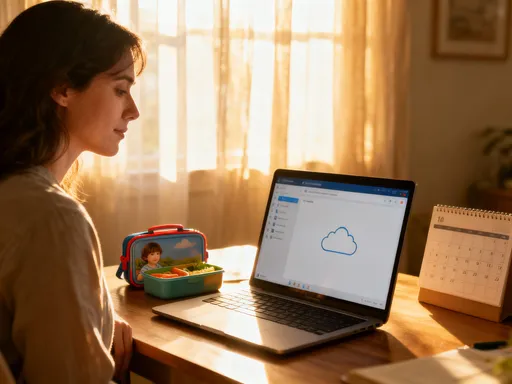
It was a Tuesday morning, and I was already behind. My youngest was crying over spilled cereal, my older daughter was asking where her permission slip was, and I had a client call in 15 minutes. I remembered scanning my inbox the night before, thinking, "I’ll just print that form tonight." But now, scrambling through my laptop, I couldn’t find it. I searched "school form," "field trip," "permission," even "kid trip thing." Nothing. I checked my email again. Was it in downloads? Maybe I saved it to the desktop? Did I email it to myself? I opened three different cloud folders—Google Drive, Dropbox, and my old backup folder on OneDrive—each filled with vague names like "Stuff," "Important," and "To Sort." My heart was pounding. I finally found it, buried in a folder labeled "School 2022," even though it was 2023. I printed it, handed it off, and made it to my call—shaking, late, and completely drained.
That moment wasn’t just about a lost file. It was about the weight of chaos. The guilt of feeling like I should’ve been better organized. The frustration of knowing I’d saved it somewhere—just not somewhere I could actually use. I realized then that my digital life wasn’t serving me. It was working against me. All those cloud accounts, all that storage space—I wasn’t using any of it well. I was treating my files like scattered papers on a kitchen counter: visible, but meaningless. And the worst part? I thought this was normal. I thought every mom, every working woman, every busy person just lived like this—constantly searching, second-guessing, redoing. But that day, I decided I was done with normal. I wanted calm. I wanted control. And I realized it had to start with my files.
What Most People Get Wrong About Cloud Storage
Let’s be honest—most of us use cloud storage like a digital attic. We toss things in and hope they don’t disappear. We think, "Well, at least it’s saved somewhere," and move on. I did that for years. I had files in Google Drive, Dropbox, my email attachments, and even on an old USB stick I kept in my purse "just in case." But here’s the truth: having a cloud doesn’t mean you’re organized. In fact, without a system, the cloud can make things worse. It gives you so much space that you stop making decisions. You keep everything, just in case. You save duplicates “to be safe.” You create folders with names like "Work Stuff" or "Home Projects" and never look inside again.
The problem isn’t the technology. The problem is how we use it. Cloud storage is only as helpful as the habits we build around it. Think of it like a beautiful kitchen pantry. If you dump all your groceries in without sorting, labeling, or checking expiration dates, even the nicest pantry becomes unusable. The same goes for your files. Saving a document isn’t the same as organizing it. And without a clear system, you’re not saving time—you’re just delaying the stress.
I learned that the real power of the cloud isn’t in how much you can store, but in how quickly and easily you can find what matters. That shift—from hoarding to curating—changed everything. Instead of asking, "Where did I save this?" I started asking, "Do I need this at all?" And if I did, "Where should it live so I can find it in two years?" That’s when I realized organization isn’t about perfection. It’s about intention. It’s about creating a system that works for your life, not against it.
The Shift: Treating Files Like Family Photos
Here’s what changed my mindset: I started thinking of my files not as random data, but as things that mattered—like photos of my kids’ first day of school or a video of my daughter’s first dance. I wouldn’t throw those into a box labeled "Misc." I’d protect them, label them, and keep them somewhere safe and easy to find. So why was I treating important documents—like medical records, school forms, or tax files—any differently?
This emotional filter made all the difference. Instead of saving everything “just in case,” I began asking simple questions: Is this something I’ll need again? Is it important to my family? Could someone else need it? If the answer was no, I deleted it. If the answer was yes, I gave it a home. I created a mental hierarchy: high-priority, medium-priority, and low-priority. High-priority files—like insurance documents, birth certificates, or active work projects—got their own clear, simple folders. Medium-priority—like past tax returns or old school reports—were archived in yearly folders. Low-priority—like random receipts or outdated event flyers—were deleted without guilt.
This wasn’t just about cleaning up files. It was about valuing my time and attention. Every file I kept had to earn its place. And when I applied that standard, my digital space became lighter. I stopped feeling overwhelmed because I wasn’t carrying digital clutter anymore. I wasn’t just organizing files—I was making space for peace.
Building a Priority-Based Folder Structure (That Actually Works)
Once I changed my mindset, I rebuilt my folder system from the ground up. And I kept it simple—because if it’s too complicated, I knew I wouldn’t stick with it. I didn’t use technical names or dates in weird formats. I used words I actually speak every day. My top-level folders are: "Family," "School," "House," "Work," and "My Growth." That’s it. No sub-sub-subfolders. No cryptic codes. Just clear, human names.
Inside each folder, I use priority to guide placement. For example, in "Family," the first folder is "Current"—things I need right now, like upcoming doctor appointments, camp forms, or travel plans. Below that are folders for "Medical Records," "Legal," and "Memories"—organized by year. In "School," the top folder is "This Year," with subfolders for each child. Inside, it’s just "Assignments," "Reports," and "Forms." Nothing fancy. In "House," I have "Bills," "Renovations," "Manuals," and "Recipes." Again, only what I actually use.
The key is that important things are easy to find. They’re at the top. They’re clearly named. And they’re not buried under old stuff. I also use consistent naming for files: instead of "IMG_1234," I name photos "Emma_First_Day_of_School_2023." Instead of "Document1," I write "Grocery_List_Childrens_Party." These small habits make a huge difference. Now, when my daughter asks, "Did you save the science fair flyer?" I don’t panic. I go to "School" > "This Year" > "Forms" and there it is. No stress. No search. Just calm.
The Daily Ritual That Keeps It Clean
Here’s the secret: I don’t spend hours organizing. I spend five minutes every Friday. That’s it. Every week, before the weekend starts, I sit down with my laptop and do a quick file check-in. I look at my "Downloads" folder—because let’s be real, that’s where files go to die. I rename messy files, move them to the right place, or delete them. I check my recent uploads and ask: "Does someone else need this?" If it’s a school form, I share it with my daughter’s teacher. If it’s a recipe, I send it to my sister. If it’s just clutter, I let it go.
I also review my "Current" folders. Is anything outdated? Can I archive last month’s bills? Should I move a completed project to "Past Work"? This tiny habit prevents buildup. It’s like brushing your teeth—small, consistent, and powerful. Over time, my cloud became trustworthy. I stopped double-saving because I knew I’d find things. I stopped checking three places because I knew exactly where each file lived. And I stopped feeling guilty about being disorganized because I had a system that worked.
What’s amazing is how this small ritual spilled over into other areas. I started tidying my physical space more often. I felt more in control of my schedule. And I noticed I was less reactive—less likely to snap when the kids were loud or dinner was late. Because my mind wasn’t busy tracking lost files, I had more space to be present. That five-minute habit didn’t just organize my files. It organized my life.
How This Changed More Than Just My Files
I didn’t expect this, but cleaning up my digital life changed everything. I became calmer. More focused. More confident. At work, I could find documents fast, which made me look more professional. I stopped missing deadlines because I’d forgotten a file. I even started saying "yes" to new projects because I knew I could manage them. At home, I was more present. I wasn’t mentally scanning my to-do list or worrying about lost paperwork. I could actually listen when my daughter told me about her day. I could enjoy family dinners without checking my phone for a missing email.
And here’s something surprising: my sleep improved. I used to wake up at 2 a.m. with a jolt, thinking, "Did I submit the insurance form?" or "Where did I save that recipe?" Now, I don’t. Because I trust my system. I know where things are. I know what I’ve done. That mental relief is priceless. I also noticed I was more creative. When my digital space was cluttered, my brain felt cluttered too. Now, with fewer distractions, I have more room for ideas—like starting a small blog, trying a new hobby, or planning a family trip without stress.
This wasn’t just about technology. It was about peace. When your digital world reflects care, your real world feels lighter. You stop carrying invisible weight. You stop feeling like you’re always behind. You start feeling like you’re in control. And that sense of calm? It spreads. It touches your relationships, your work, your joy. It’s not about being perfect. It’s about feeling free.
Start Small: Your First Step to Digital Calm
If you’re feeling overwhelmed, I get it. And you don’t have to fix everything today. I didn’t. Start with one folder. Just one. Pick something that causes you stress—like school papers, medical records, or household bills. Open it. Look inside. Delete the duplicates. Rename the messy files. Create one clear subfolder for "Current" things. Take five minutes. Feel the difference.
You’ll notice something right away: relief. Even a small cleanup creates mental space. Then, next week, do another folder. Build the habit slowly. Be kind to yourself. If you forget one week, it’s okay. Just start again. This isn’t about perfection. It’s about progress. And every time you organize a file, you’re not just tidying data—you’re caring for yourself.
Remember, you’re not just managing files. You’re creating a system that supports your life. One that helps you show up as the calm, capable woman you are. You don’t need more time. You don’t need more tech. You just need a simple, human way to keep what matters and let go of the rest. And when you find that, you’ll wonder why you waited so long. You’ve got this. One folder at a time, you’re building a life of clarity, calm, and confidence.